
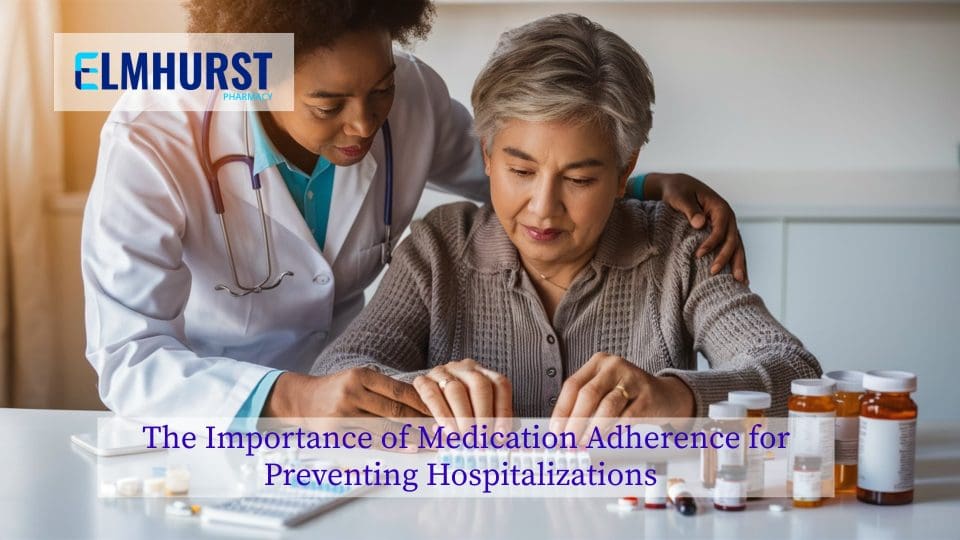
Every year, thousands of preventable hospital admissions happen simply because patients don’t take their medications as prescribed. In fact, poor medication adherence is one of the top causes of avoidable hospitalizations worldwide. Whether it’s due to forgetfulness, cost, or side effects, medication nonadherence places a massive strain on patients, families, and health care systems.
The good news is that improving medication adherence not only helps prevent hospitalizations but also enhances quality of life, reduces long-term healthcare costs, and supports better patient outcomes. In this article, we’ll uncover why medication adherence matters, the dangers of non-adherence, the role of health care services and home health care agencies, and how local solutions like Elmhurst Pharmacy NY and medication delivery services can make compliance easier for families.
What Is Medication Adherence?
Medication adherence means taking medications exactly as prescribed by a healthcare provider, including:
- Taking the right dose
- At the right time
- In the prescribed manner (with food, without food, etc.)
- For the full duration of the treatment
- Even a simple slip—like missing blood pressure medication—can raise the risk of preventable complications.
The Consequences of Medication Non-adherence
When patients fail to follow prescriptions, it’s known as medication nonadherence or just nonadherence. It is a leading cause of avoidable hospitalization and even premature death. This can mean:
- Skipping doses
- Stopping treatment early
- Taking incorrect dosages
- Not filling prescriptions at all
Common Risks of Non-adherence:
- Worsening of Chronic Diseases: Hypertension, diabetes, asthma, and heart disease get harder to control.
- Higher Hospitalization Rates: Patients who don’t stick to treatment are more likely to land in the emergency room.
- Increased Healthcare Costs: Nonadherence leads to billions in unnecessary spending for health insurance companies.
For example, in the United States, the CDC estimates that up to 50% of prescribed medications are not taken as directed, creating preventable complications.

Why Patients Struggle With Adherence
Understanding barriers is the first step toward improving compliance:
- Financial Difficulties – Even with affordable health insurance or individual health insurance, some families struggle to cover medication costs.
- Confusion or Forgetfulness – Older adults often juggle multiple prescriptions. This is where in-home care services or a home health aide can help.
- Side Effects – Fear of side effects can lead to skipped doses.
- Lack of Understanding – Without clear instructions from a primary care physician, patients often mismanage prescriptions.
- Accessibility Issues – Patients who lack transportation benefit from medication delivery Elmhurst NY options offered by pharmacies.
The Role of Health Care Services in Medication Adherence
Improving medication adherence requires collaboration between patients, families, and healthcare agencies.
- Primary Care & Physicians
A primary care physician plays the central role in educating patients about why adherence matters and monitoring side effects.
- Home Health Care & Hospice
- Home health care agencies and in-home care services often provide pill box organization, reminders, and adherence monitoring.
- Hospice near me services ensure patients in end-of-life care receive timely medications to manage symptoms effectively.
- Pharmacies and Local Access
Local solutions make a difference:
- Pharmacy near me Elmhurst NY searches reveal accessible care.
- Elmhurst Pharmacy NY offers prescription refills, flu shots, and medication delivery to minimize missed doses.
- Medication Adherence Across Regions
- United States (New York): Pharmacies like Elmhurst Pharmacy NY provide prescription refill Elmhurst NY and flu shots Elmhurst pharmacy, ensuring seamless continuity of care.
- India: Growing urban centers rely heavily on home care assistance and support from family caregivers in promoting medication adherence in chronic conditions like diabetes.
- UK: The National Health Service integrates pharmacists into home visits to improve patient understanding of prescriptions.
- Australia: Remote patients rely on medication delivery services to prevent gaps in adherence.
These regional efforts highlight the universal challenge of nonadherence and the global push for patient-centered care services.
How Medication Adherence Prevents Hospitalizations
- Improves Disease Control
Controlled blood sugar levels reduce hospital visits for diabetic patients.
- Cuts Emergency Visits
Heart disease patients who remain committed to prescriptions face fewer urgent hospitalizations.
- Decreases Costs for Patients and Insurance Providers
Health insurance companies like Blue Cross Blue Shield emphasize adherence programs. Patients with questions often contact Blue Cross Blue Shield customer service for guidance about prescription coverage.
- Supports Better Care at Home
Home health aides and home care assistance programs reduce risks by monitoring adherence directly within households.
- Medication Adherence & Health Insurance
Health insurers, both private and public, are increasingly focused on adherence.
- Care health insurance providers create incentives to promote adherence (like lower co-pays for refill compliance).
- Individual health insurance policies often include wellness programs around medication tracking.
- Affordable health insurance providers work with health care agencies to integrate medication monitoring.
- Tips to Improve Medication Adherence at Home
- Simplify Dosage Schedules: Ask your physician if once-daily medicines are an option.
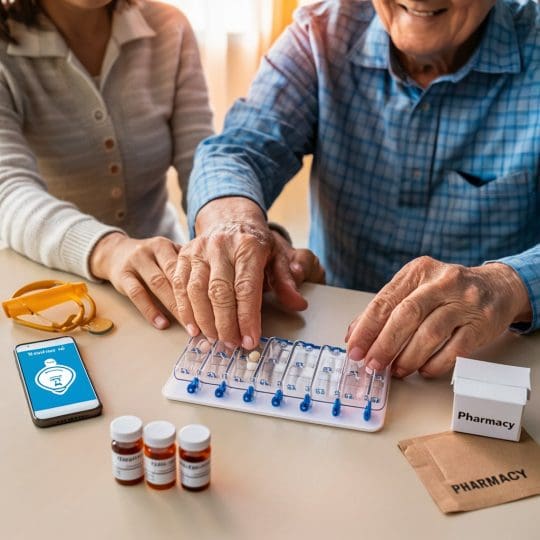
- Use Reminders: Phone alarms, smart pillboxes, or caregiver check-ins help patients remember.
- Leverage Local Pharmacies: Services like Elmhurst Pharmacy NY prescription refills prevent running out of medications.
- Medication Delivery: In areas like Elmhurst NY, getting medicines delivered is a vital tool for seniors.
- Educate Children & Families: Teach them why skipping medication is harmful.
- Ask Questions: Always clarify doubts with your physician or pharmacist.
- When to Seek Professional Support
If you’re noticing routine forgetfulness, declining health despite prescribed treatment, or complex medication plans, it’s time to seek professional help:
- Primary care physician – First point of guidance.
- Home health care agencies – Support for seniors and those with disabilities.
- Palliative and hospice services – Focus on consistent comfort medication adherence in advanced illness.
FAQs on Medication Adherence
Q1. What is medication adherence?
It is the act of taking medications exactly as prescribed—right dosage, schedule, and duration.
Q2. Why is medication adherence important for preventing hospitalizations?
Because it controls chronic conditions, prevents worsening symptoms, and avoids emergency care admissions.
Q3. What causes medication nonadherence?
Financial struggles, side effects, forgetfulness, and lack of access to pharmacies.
Q4. Can home health aides help with adherence?
Yes. Home health aides ensure correct dosage and timings, helping prevent medication errors.
Q5. How can pharmacies in Elmhurst NY help?
Elmhurst Pharmacy NY provides flu shots, medication delivery, and prescription refills, making it easier to maintain adherence.
Conclusion
The importance of medication adherence cannot be overstated. Simple, consistent adherence prevents hospitalizations, reduces healthcare spending, and safeguards patient health. Addressing nonadherence through education, in-home care services, financial support, and convenient pharmacy services ensures better outcomes for everyone.
From Elmhurst Pharmacy NY offering prescription refill Elmhurst NY and medication delivery Elmhurst NY, to global insurers like Blue Cross Blue Shield, the healthcare industry is unified in tackling this challenge.
“Staying committed to prescriptions isn’t just a habit—it’s a proven life-saving practice that prevents hospitalizations, protects health, and improves quality of life.”
Disclaimer
This article is for informational purposes only. It is not a substitute for professional medical advice. Please consult a physician, pharmacist, or healthcare provider for guidance on your specific medication plan.
Also Read: September Skincare Routine: Protecting Your Skin from Early Fall Weather